
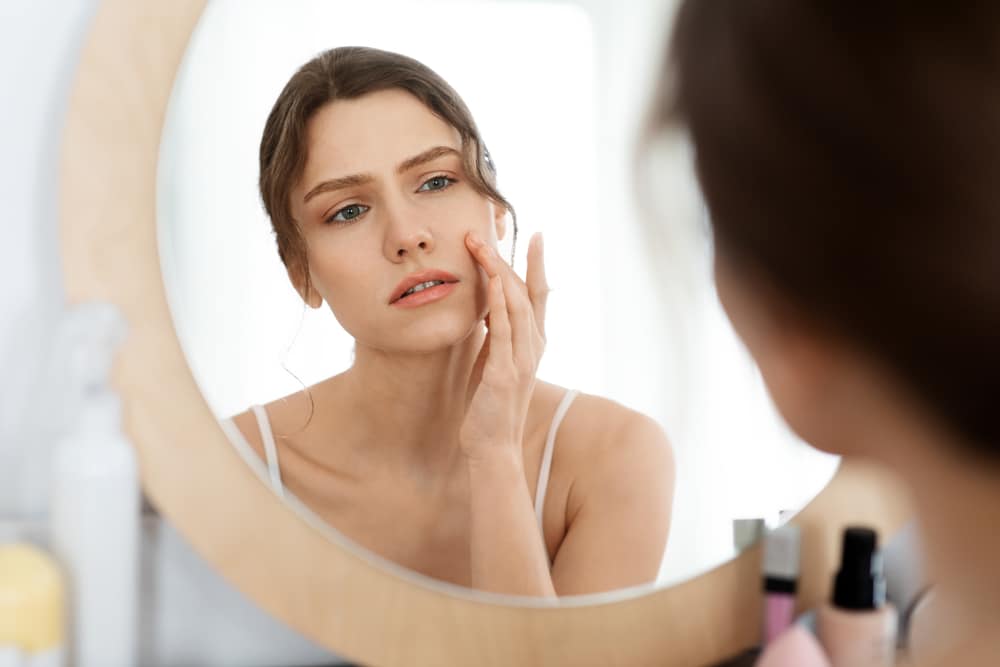
It can be hard to resist a pimple that looks ready to pop. You may think squeezing it will make the blemish disappear faster, but picking at any type of acne can often have the opposite effect. In fact, popping pimples can increase inflammation, slow healing, and make lasting marks more likely.
Dermatology Associates of West Texas, LLP provides comprehensive dermatologic care for conditions affecting the skin, hair, and nails, including acne. The practice includes board-certified dermatologists and other experienced providers who diagnose and treat dermatologic concerns while providing respectful, patient-centered care.
Why Does Popping Pimples Make Acne Worse?
A pimple develops when oil, dead skin cells, and other debris clog a pore. When you squeeze it, you may push some of that material toward the surface, but you can also force inflammation and debris deeper into the surrounding skin.
This extra irritation may make the pimple more swollen, red, painful, or noticeable. It can also damage nearby tissue, which may make the blemish take longer to heal.
Can Popping Pimples Cause Acne Scars?
Yes. Picking, squeezing, or repeatedly touching acne can increase your risk of developing discoloration or acne scars. This is especially true for deeper inflammatory acne, such as nodules and cysts.
Trauma from squeezing can interfere with the skin’s normal healing process. Some people may develop dark or red marks that fade gradually, while more serious damage can leave permanent depressed or raised scars.
What Should You Do Instead of Popping a Pimple?
The best approach is usually to leave the blemish alone and use acne treatments that address clogged pores and inflammation. Depending on your skin and type of acne, helpful options may include:
- Gentle cleansing twice daily
- Over-the-counter salicylic acid or benzoyl peroxide
- Hydrocolloid acne patches to discourage picking
- Noncomedogenic moisturizers and sunscreen
- Prescription acne treatments for persistent breakouts
Avoid scrubbing aggressively or applying multiple harsh acne products at once, as excessive irritation can worsen your skin.
When Should You See a Dermatologist for Acne?
Consider professional acne treatment if breakouts are frequent, painful, deep, or leaving scars and discoloration. A dermatologist can determine your acne type and recommend treatments based on its severity, your skin type, and other factors.
Professional care may be especially helpful if over-the-counter products haven’t improved your acne after several weeks of consistent use.
Protect Your Skin With Professional Acne Treatment in Lubbock, TX
Dermatology Associates of West Texas, LLP offers acne evaluation and treatment in Lubbock to help patients achieve healthier, clearer skin. Call 806-797-1202 to schedule a consultation.
