
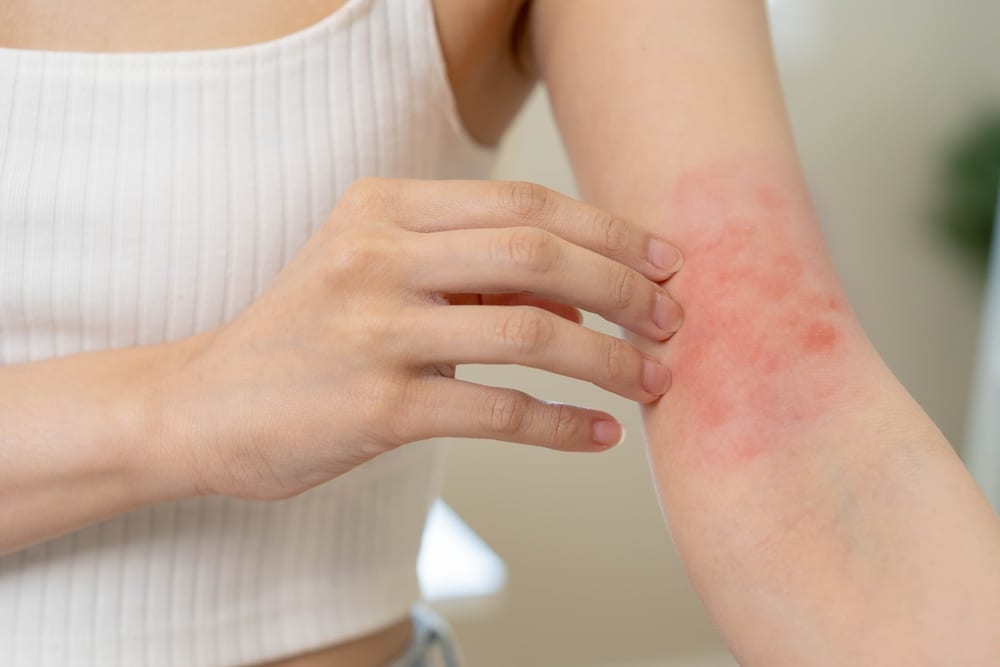
Does your skin feel tight, itchy, or irritated after a shower? Hot water may feel relaxing, but it can actually worsen eczema symptoms. Your shower temperature plays an important role in protecting your skin’s moisture barrier and preventing uncomfortable flare-ups.
At Dermatology Associates of West Texas, Dr. Brent Paulger and our experienced dermatology team help patients manage eczema with personalized treatment and practical skincare guidance. Understanding how everyday habits affect sensitive skin can help you reduce irritation and maintain healthier skin.
Is Hot Water Bad for Eczema?
Yes, hot water can worsen eczema by removing the natural oils that help your skin hold moisture. Because eczema-prone skin already has a weakened protective barrier, prolonged exposure to hot water can increase dryness, itching, and inflammation.
Hot showers can contribute to several problems:
- Moisture loss: Hot water strips protective oils, letting moisture escape more easily.
- Increased itching: Heat can intensify itching and encourage scratching, which further irritates the skin.
- Redness and inflammation: Excessive heat may aggravate existing eczema patches.
- Skin barrier damage: Repeated hot showers can make sensitive skin more vulnerable to environmental irritants.
Although warm water may temporarily relieve discomfort, excessive heat can leave your skin feeling worse afterward.
Why Does Eczema Get Worse After a Shower?
Experiencing eczema after showering is common, especially when the water is too hot or you use harsh cleansing products.
As water evaporates from your skin after bathing, it can dry you out if you don’t moisturize promptly. Fragranced soaps, exfoliating products, and vigorous towel drying can also trigger irritation.
If you notice increased itching, redness, or tightness after showering, your bathing habits may be contributing to your symptoms.
The Best Shower Temperature for Eczema-Prone Skin
The ideal shower temperature for eczema is lukewarm, not hot. The water should feel comfortably warm without leaving your skin noticeably red or overheated.
Try limiting showers to approximately 5-10 minutes to help protect the skin’s moisture barrier.
For better sensitive skin care, follow these showering tips:
- Keep showers short: Limit bathing to 5-10 minutes.
- Use gentle cleansers: Choose fragrance-free products formulated for sensitive skin.
- Avoid scrubbing: Skip rough washcloths, loofahs, and harsh exfoliants.
- Pat your skin dry: Gently blot your skin with a soft towel instead of rubbing.
- Moisturize immediately: Apply a thick, fragrance-free cream or ointment on slightly damp skin.
These simple adjustments can help reduce post-shower irritation and support healthier skin.
When to See a Dermatologist for Eczema
If changing your shower routine doesn’t improve your symptoms, you may need professional treatment.
Persistent itching, cracked skin, frequent flare-ups, or eczema that disrupts sleep may mean your condition needs additional care. A dermatologist can evaluate your symptoms, identify potential triggers, and recommend treatments to control inflammation and restore your skin barrier.
Find Relief From Eczema in Lubbock and Denver City, TX
You shouldn’t have to deal with constant itching, dryness, and irritation. At Dermatology Associates of West Texas, our experienced team provides personalized eczema treatment to help you achieve healthier, more comfortable skin.
With two offices in Lubbock and an additional location in Denver City, TX, expert dermatology care is close to home. Call 806-797-1202 to schedule your appointment and take the next step toward lasting eczema relief.
